

Colour isn’t the only way you can introduce depth and visual interest to a room – texture also plays a vital part. Mixing up materials can alter the character of a room, as well as stop it feeling ‘flat’ and rather dull. Soft woollen throws and cushions can add a feeling of cosiness, for instance, while linen and wood gives out a Scandi vibe every time.

Some designers call this layering – putting different materials together to add dimension and a desire to ‘touch.’ Andrew Martin cofounder, Martin Waller, enjoys layering soft boucle weave with timber, for instance. He also uses texture, instead of colour, as an accent with certain objects – such as a chrome lamps – doubling as statement pieces.

Certain materials already have a design history in the sense that reclaimed wood and copper indicate a welcoming, rustic country vibe or an industrial design look. Leather and shiny chrome, on the other hand, lean towards an airy, sophisticated and contemporary feel in a room. In other words, use certain materials and you’re already half way there to recreating a particular design theme as well as a mood.
Adding to a neutral layer
To add vibrancy to a room Camilla Clarke of Albion Nord likes to start with a base layer of neutral linen on sofas and curtains, before adding items such as timber accessories, woven cushions and a thick woollen rug or even a large silver mirror.

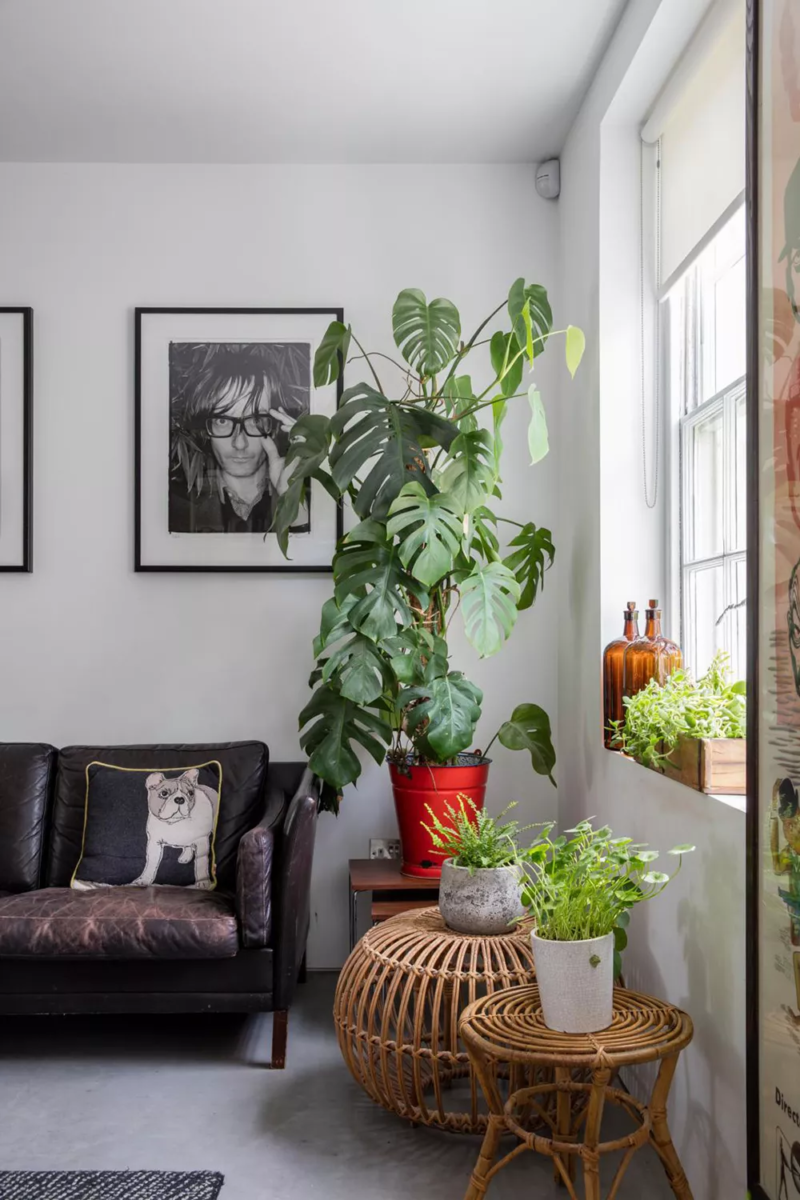
Even warm lighting can be described as a form of texture, she insists, if it’s added to a rather cold-feeling room filled with dark colours and ‘hard’ materials such as dark wood or worn leather.
Interior designer Jenn Pablo says she doesn’t really consider a room finished until she has layered accessories in it, such as hard-backed books, soft throws and squashy cushions.

Fabrics which work well for layering include linen, cotton, wool, boucle, velvet, silk and leather. Metals, timber and tiles can also be used to add contrast and a ‘harder’ feel. Wicker adds a softer touch than wood. Plants or faux florals are a great way of adding an interesting texture, as well as colour, to a neutral room.

Mixing textures in the bedroom
Wool, wicker and wood – there’s three alliterative materials right there to add a sense of comfort and cosiness to any bedroom. The room in which we enjoy hours of restful sleep is the perfect space in which to play around mixing textures. How about a leather headboard and fluffy fun faux fur cushions for a lovely contrast, for starters? If you have wooden flooring then a thick woollen rug makes sense for those cold winter mornings, as well as adding depth.

Contrasting textures in a kitchen
Kitchens tend to be practical rather than cosy hang-outs in our homes, with materials such as marble for countertops, slate or vinyl flooring and plain walls. But it’s easy to add warmth when you add a few pieces of texture. Wooden elements on the walls and natural fabric seating, such as linen or cotton cushioning, can add some much-needed warmth to all that straight-lined sleekness. Adding a woven rug or floor runner can have a similar effect.

Using all of the room
Interior designer Kate Lester likes to use the walls to add texture via different forms of wall art. It makes perfect sense to do this, she says, considering the facing wall is one of the first things you see when you walk in to a room. She does this by using mixed mediums such as simple pencil sketches, frames rolls of wallpaper or graphic artworks.
“The result is dynamic, curated, impactful, layered, and way more interesting than a single piece of expensive traditional art,” she insists.